What Not to Put in a Garbage Disposal: The Real List
The answer depends partly on your disposal. Grease is a hard no for everyone; for bones and fibrous scraps, it comes down to the model.
The answer depends partly on your disposal. Grease is a hard no for everyone; for bones and fibrous scraps, it comes down to the model.
You may already own more induction-ready pans than you think. A fridge magnet and a quick look at the base will tell you.
Rotten-food smells, sewer smells and burning smells mean different things. Here's how to find the source and fix it.
Slow flow, off tastes or black specks usually come from a dirty nozzle, a neglected drip tray or an old filter. Here's a safe cleaning routine from outside in.
New-appliance plastic smell and leftover cleaner are common and harmless. A burning odor, an ammonia smell or a hiss from the tubing are a different story.
Deodorizers only mop up what is left. The real fix is finding the spill, the drip pan or the forgotten container that keeps the smell going.
A five-minute step that decides whether your dishwasher can drain. Here is how to do it, when to skip it, and what to do if the disposal is already installed.
A smelly disposal is almost always a cleaning problem, sometimes a drain problem, and occasionally a sign of something else. Here is how to tell which.
The sound it makes, or does not make, tells you most of what you need to know. Start with the free fixes before calling anyone.
Cloudy glasses and chalky tub walls are mineral deposits, and they're usually easy to remove. Here's how, plus how to tell film from permanent etching.
Most standing water comes from a clogged filter or a blocked drain path, not a dead pump. Here's how to empty the tub safely and find the blockage.
Wet plastic is often normal, and empty rinse aid is the most common fix. Here's how dishwasher drying works and what to check before calling a tech.
Cut evenly, use a little oil, do not crowd the basket. Five easy vegetable sides and a chart of starting times.
Both use a fan and hot air. The differences are chamber size, airflow, capacity and how much you cook at once.
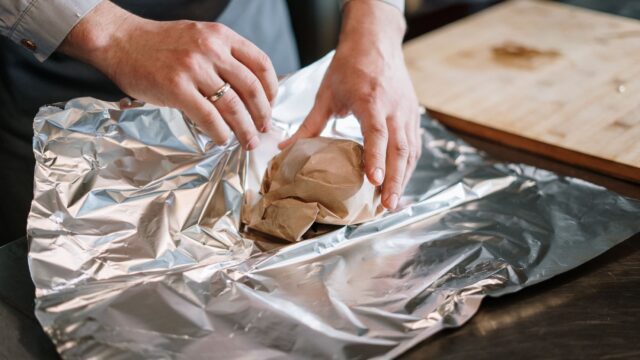
Foil and parchment can save cleanup, but loose liners, blocked airflow and acidic foods cause problems. Here is how to use them safely.
That sticky film above the stove is cooking grease mixed with dust. Dish soap handles most of it; the trick is using as little water and scrubbing as possible.
There is no single best sink, but there is a best fit for your counter, cabinet and habits. Here's how the main materials and mounting styles compare.
Grease, food scraps and coffee grounds cause most kitchen clogs. Work from the free checks to the P-trap, and leave caustic drain openers on the shelf.
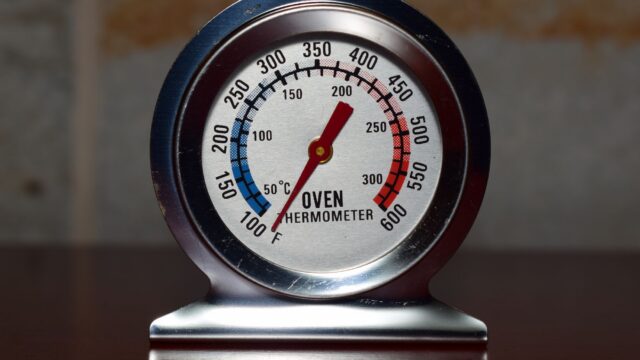
Most ovens cycle above and below the set point, so a single reading means little. A proper check takes about 30 minutes and an inexpensive thermometer.
If the igniter clicks but nothing catches, the fix is usually cleaning and reseating parts. If you smell gas, stop and get out.
Self-clean is convenient but not effortless. Here's what happens during the cycle, why pet birds should leave the house, and what to check before you start.
We use analytics cookies to see which articles are read. No ads cookies. Privacy policy